Intellectual property
Patenting of inventions is a process of obtaining exclusive rights to an invention, which is a new technical solution in any field of technology.
- Filling application
- Payment
- Patent granting
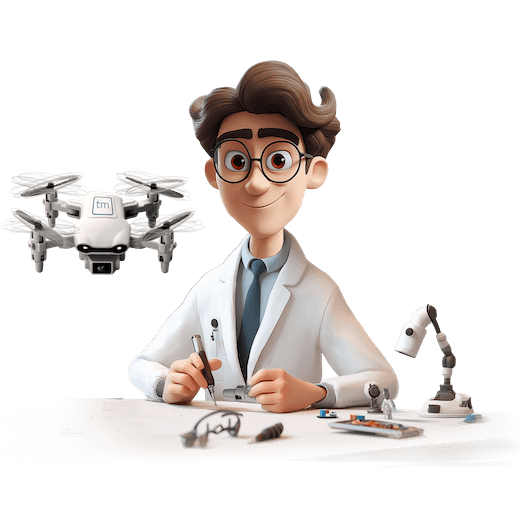
Patents can protect inventions such as
Showcase technical solutions, engineered systems, and product innovations that benefit from a clear patent filing process and expert review.



Invention Protection
A patent application concerns a technical invention: how a device, material or process works. A brand name, a product's outward appearance and confidential manufacturing know-how raise different questions. Before choosing a filing route, identify the technical problem, how your solution solves it and what distinguishes it from what was already known.
Describing the technical contribution of the invention
Describe the problem in practical terms. For example, if a new valve reduces leakage, explain what changes inside the valve, how the parts interact and under what operating conditions the improvement occurs. A claim that a product is “more efficient” is less useful than drawings and results showing how the improvement is achieved.
Identify the people who contributed to the invention and the intended applicant. An inventor and an owner need not be the same person. Record any employment, development or assignment arrangements so questions about ownership can be addressed before filing.
Check what has already been disclosed
Search patent publications and other technical material, including product manuals, papers and demonstrations. Relevant information can come from another industry or a different language. Save dates, document numbers and the passages or drawings that are closest to your solution.
A sale, public test, conference presentation or online video may disclose the invention. Note the earliest date, what was shown and any confidentiality conditions. Seek advice before a public launch: the effect of disclosure depends on the territory and the facts, and filing later cannot always restore novelty.
Documents and drawings for the patent application
- A description of the problem, the proposed solution and useful alternatives.
- Drawings or diagrams with consistent labels and a clear explanation.
- Prior publications, test results and known disclosure dates.
A patent professional can use these materials to draft the specification and claims. The claims define the protection requested; the description must support them. A broad commercial ambition is not a substitute for explaining how a skilled person could put the invention into practice.
Choosing a patent filing route and territory
A national filing and a European patent application are different routes. An international application under the Patent Cooperation Treaty can be useful when several markets are under consideration, but does not itself grant a worldwide patent. Consider where the product will be made, imported or sold, and how much of that market justifies the filing and later costs.
Preparing technical information for a patent adviser
Bring one workable embodiment and, where possible, an alternative that solves the same problem. For the valve example, a diagram of the seal under pressure and a comparison with an ordinary valve are more useful than a brochure describing the finished product. Distinguish observations from assumptions, and say which test conditions produced the results.
If a prototype has already been shown, prepare a chronology with the audience, date and material disclosed. Mark confidential meetings separately from public presentations. This helps an adviser investigate the effect of disclosure without having to reconstruct events from memory after a launch.
What to expect after filing
Keep the filing receipt, application number and deadlines. Search or examination may identify earlier material or raise questions about the claims, and later steps can require responses, translations or additional fees. A filed application is not a granted patent. A patentability search also does not answer whether commercialising the product might infringe somebody else's patent; that is a separate freedom-to-operate question.